


The complete guide
Choosing the robot vacuum for Your Floors
Everyday floor mess rarely waits for a convenient time. Pet hair gathers beside furniture, crumbs spread from the kitchen, and dust returns soon after a tidy-up. A robot vacuum can take on some of that regular work, leaving you with fewer sessions to start by hand.
The robot vacuum combines vacuuming, electronic mopping and mapped cleaning. Its main appeal is control over a repeatable routine. You can set cleaning times, adjust suction and mark areas to avoid. Before buying, though, it is worth looking beyond the suction figure. Floor care, room layout, power compatibility and maintenance all matter.
What this robot vacuum actually does
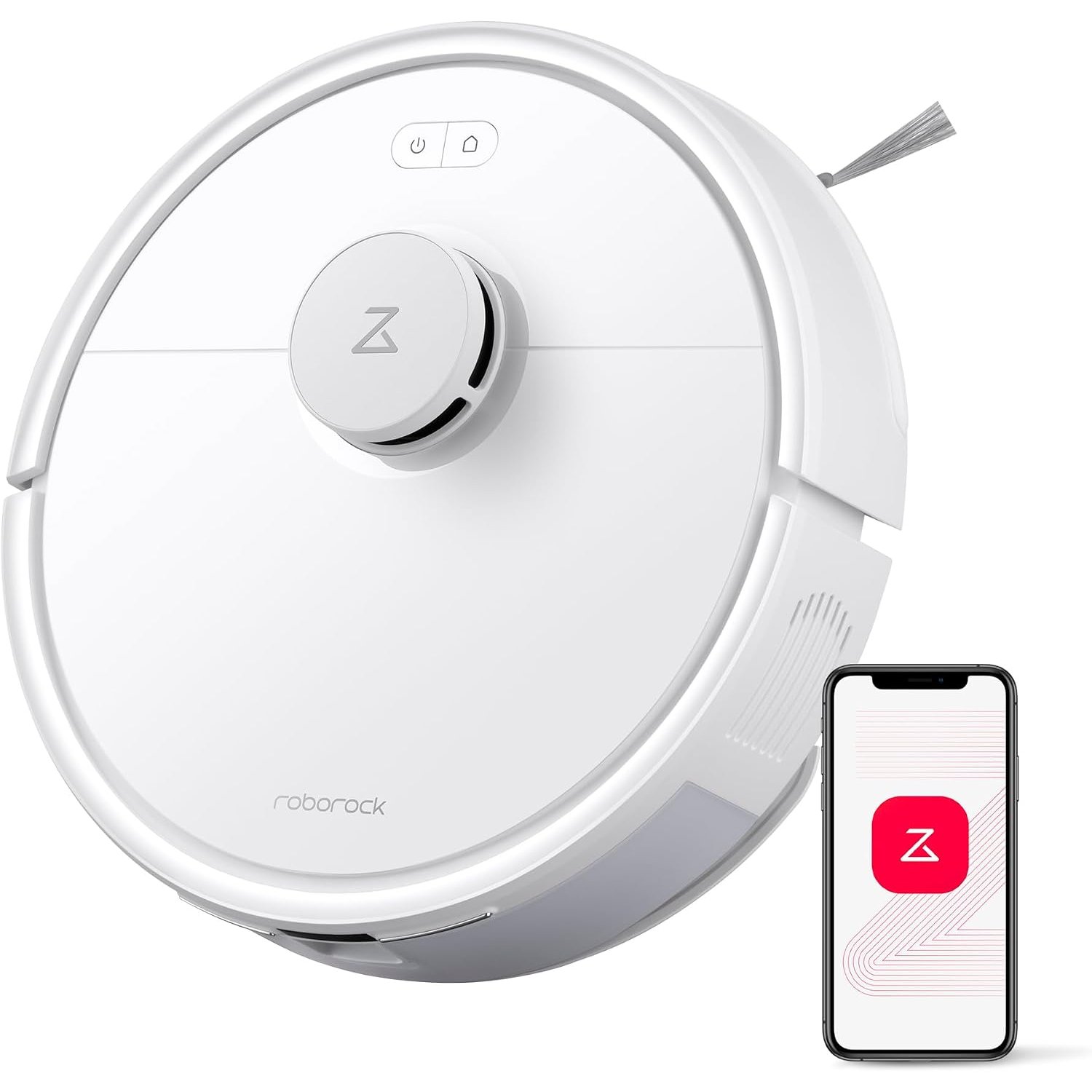
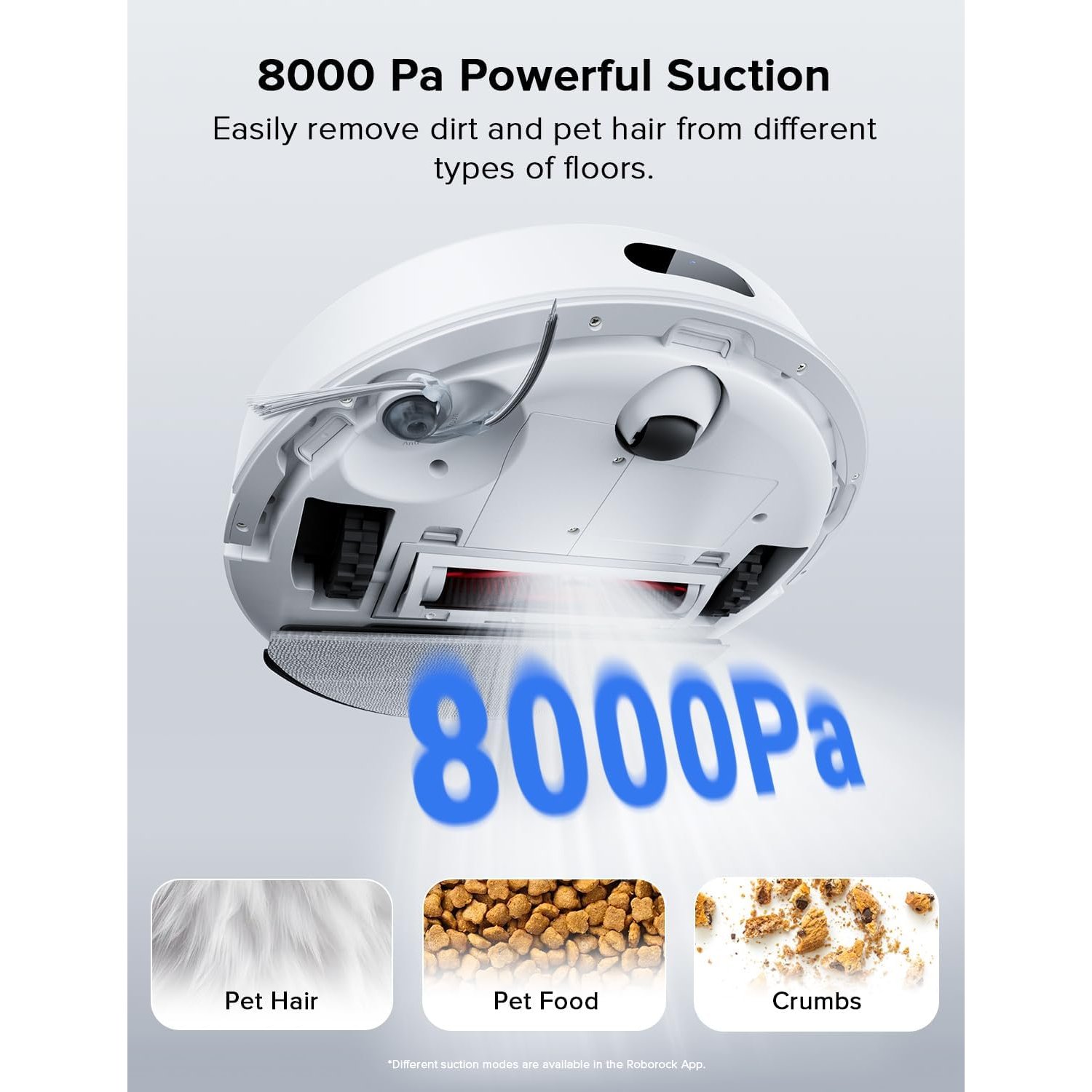
The robot vacuum is an indoor robot vacuum and mop with stated suction of 8,000 Pa. It offers six power levels and automatic carpet boost. That gives it different settings for everyday floor cleaning rather than a single fixed level.
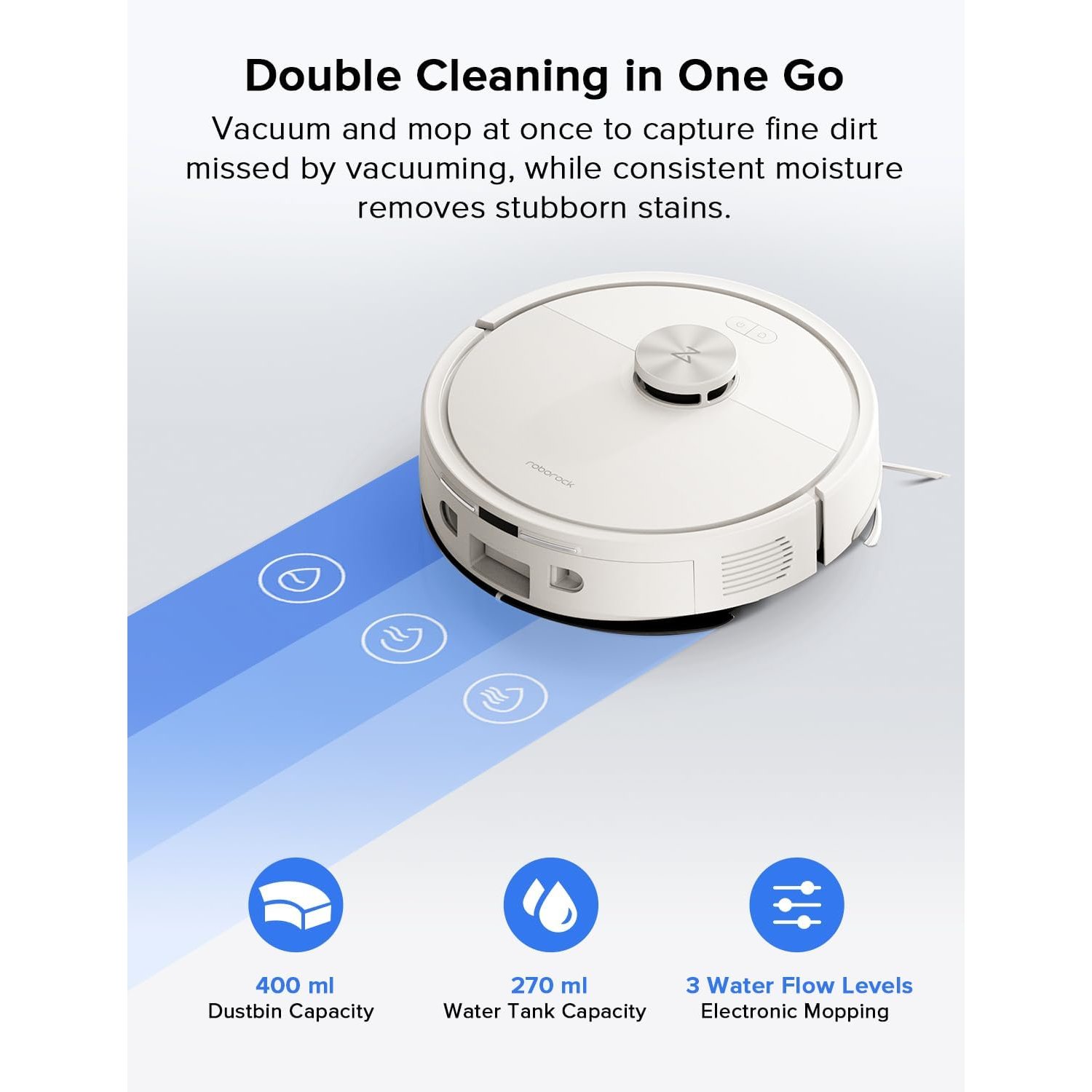
Its mopping function uses a 270 ml water tank, three water settings and a removable mop pad. It can vacuum and mop during the same session. For a home with suitable hard floors, that combines two routine tasks in one pass.
Think of it as support for regular floor care. The maker's description does not establish how it performs on every kind of stain, rug or debris. You may still need other cleaning tools for stairs, furniture and jobs outside its floor-cleaning role.
Why mapping matters in daily use
A robot vacuum with mapping gives you more say over the cleaning area. The robot vacuum uses LiDAR, which scans its surroundings with laser technology to build a map and plan routes. It also supports maps for multiple floors.
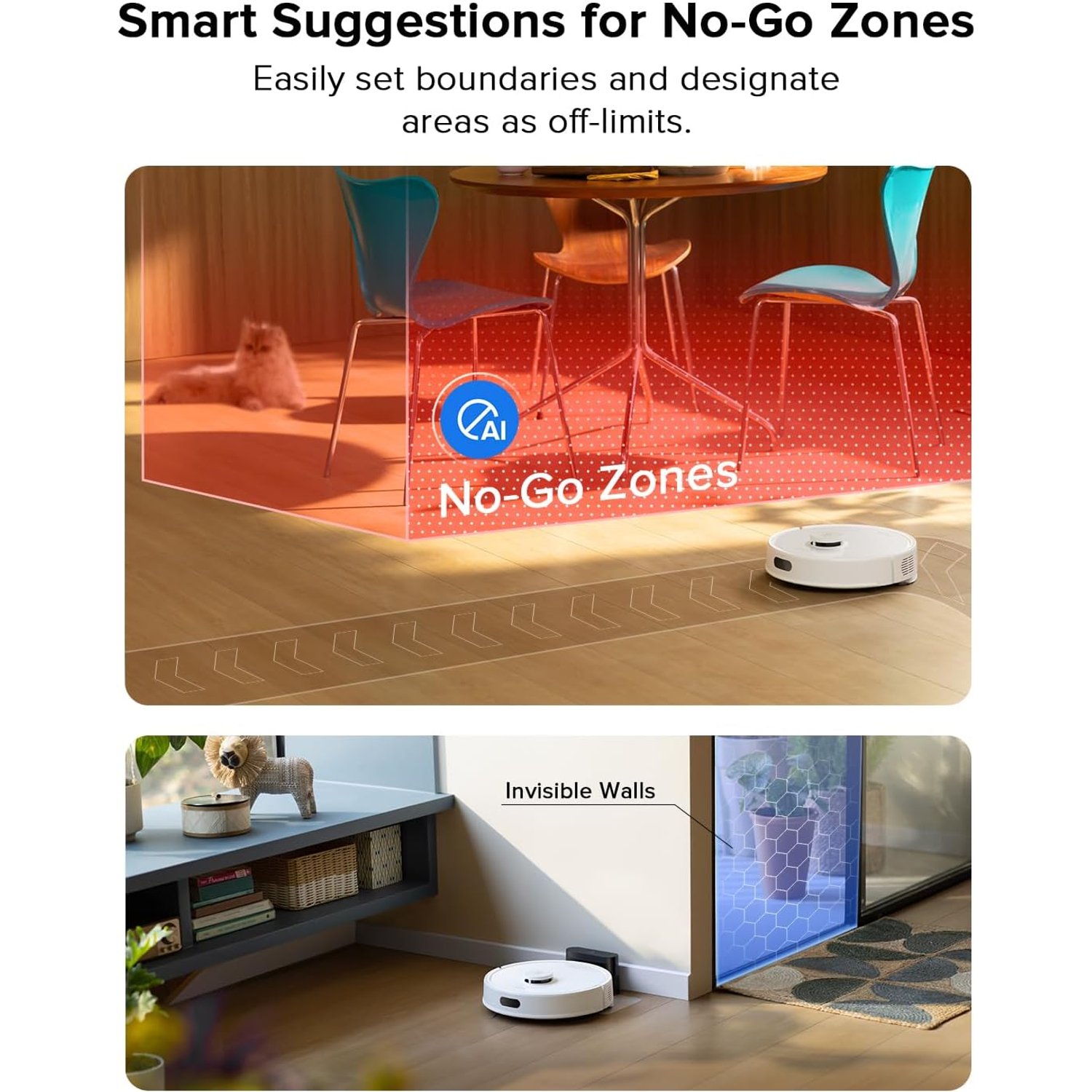
The practical value comes from using that map. Through the app, you can set no-go zones around areas you want left alone. The robot also offers suggested no-go zones, which may help you spot awkward parts of a room.
Mapping does not mean you should leave loose cords or small objects in its path. Prepare the floor before a cleaning session and watch the first runs. That gives you a chance to see where a boundary would help and whether any furniture needs a little more space.
Matching the cleaner to your floors
The maker lists carpet, laminate, tile, vinyl, wood and marble as recommended surfaces. That makes this a model to consider for homes with several floor types. It does not mean every cleaning mode is right for every surface.
Vacuuming and mopping need separate decisions. Your floor maker may allow vacuuming but limit water use. Check those instructions, especially for wood, laminate and any surface with joins or a delicate finish. A robot mop with water control still needs to be used within those limits.
For carpet, automatic suction boost is a useful stated feature. However, the maker does not give a maximum carpet pile height or confirm suitability for every rug. Check those details if thick rugs or loose fringes are common in your home.
Planning mopping around carpets
A mixed-floor home needs a clear plan for the mop. Automatic mop lifting is not specified for this model. Do not assume it will keep a wet pad away from carpet without your help.
Before starting a combined clean, read the manual and decide which areas should be included. Use the available boundaries where appropriate, and check how the robot behaves at the change between hard floor and carpet.
Start with a small, suitable hard-floor area while you are nearby. Choose a water setting that follows your floor care advice and inspect the result. This is a more useful first step than running a full-home mop session before you know how it fits your floors.
Considering it for a home with pets
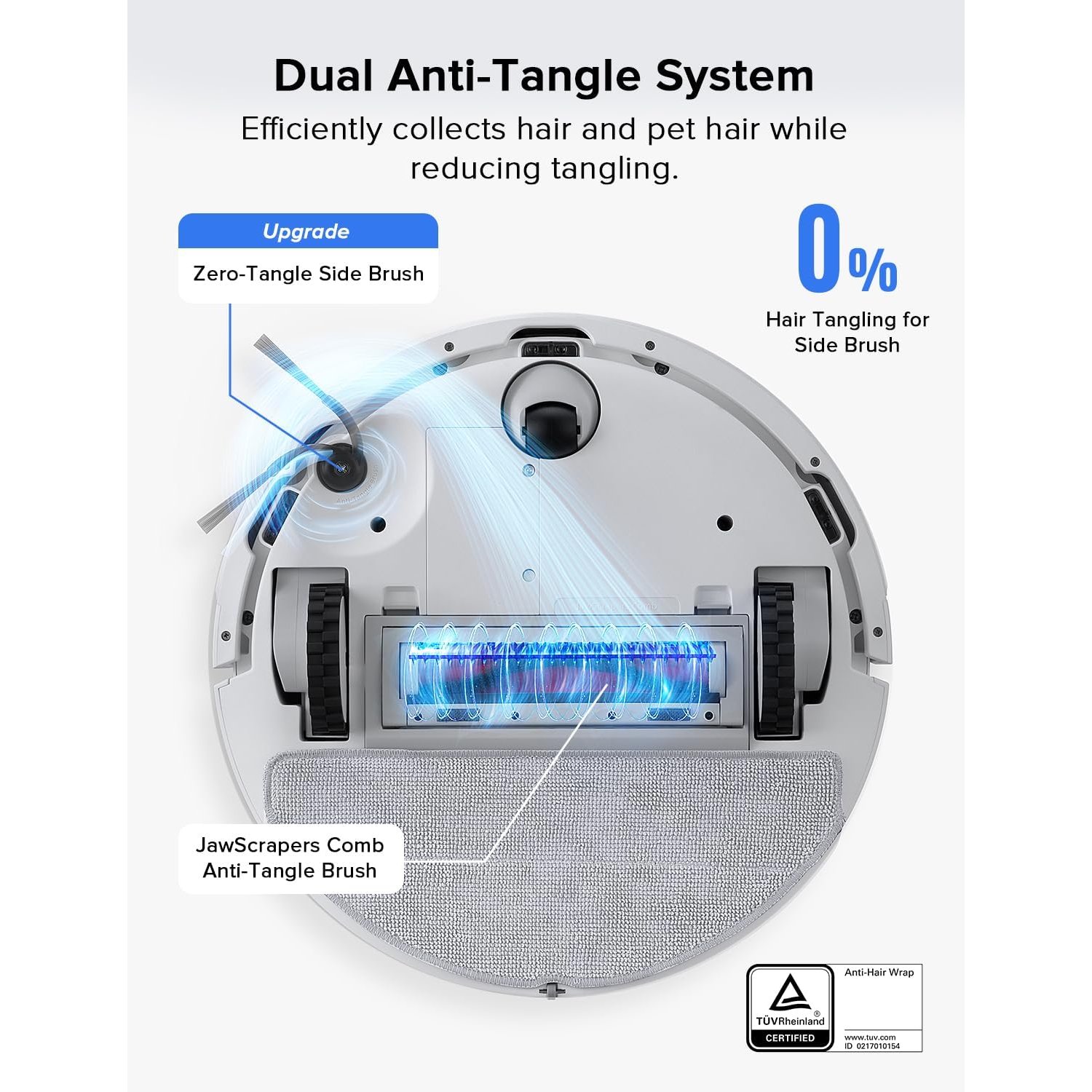
Pet hair is one of the listed uses for the robot vacuum. Its dual anti-tangle design aims to reduce hair wrapping around the brushes. If you are comparing a robot vacuum for pet hair, that is worth considering alongside suction and cleaning schedules.
Still, reduced tangling is not the same as no maintenance. Hair can collect around moving parts, and dirt needs to be emptied. Check brushes regularly, particularly when a pet is shedding more than usual.
Plan the cleaning route around pet bowls, bedding and toys. No-go zones can help keep some areas outside the route. For the first few sessions, stay nearby so you can see how both the robot and your pets respond.
Checking room size and furniture clearance
The stated dimensions are 13.8 inches long, 13.8 inches wide and 3.89 inches high. Measure the spaces where you expect the robot to clean, including under beds, cabinets and sofas. Allow some spare clearance instead of assuming an exact match will work.
Also look at the paths between rooms. A narrow gap, loose mat or crowded dining area can affect how useful an automatic cleaner is in practice. Threshold-climbing limits are not specified by the maker, so confirm them if raised doorways are a concern.
The robot weighs 3.3 kg. Multi-floor maps may be useful in a house with several levels, but the machine still needs to be moved between them. Consider whether carrying that weight fits your routine before making multi-floor mapping a deciding feature.
Choosing how you want to control it
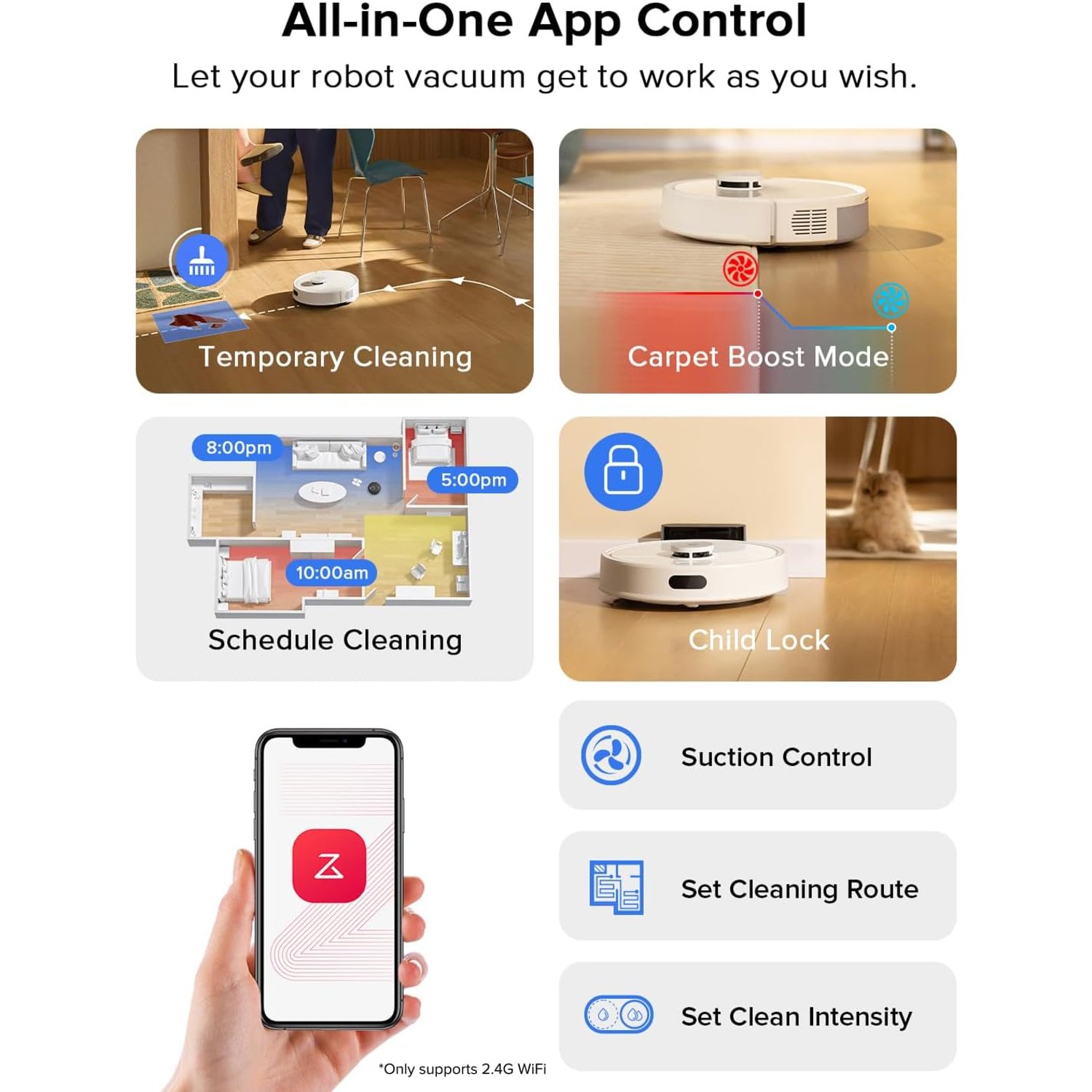
The robot vacuum supports app, button and voice control. The app provides scheduling, suction adjustments, custom cleaning and no-go zones. That makes it useful if you want to set a routine and refine it as you learn what works.
A voice controlled robot vacuum may also appeal if you already use Amazon Echo or Google Home. Both are listed as compatible devices. Follow the pairing instructions for your device rather than assuming every voice feature works without setup.
Button control gives you another way to operate the cleaner. However, the maker does not describe the full set of functions available from the buttons. If you prefer not to use a smartphone, check that the controls you need are available before ordering.
Wi-Fi and power checks before purchase
This model supports only 2.4 GHz Wi-Fi. Check your router settings before buying, especially if you normally connect devices through a 5 GHz network. Some routers offer both bands, but you will need to confirm your own setup.
Power compatibility deserves equal attention. The maker lists 120 V, and the included adapter's full input range is not given. Do not assume the power supply suits every country just because the product is available to order there.
Ask for confirmation of the adapter rating, local plug and electrical suitability if anything is unclear. These checks are more important than an extra app feature. They help establish whether the supplied product is appropriate for your home at all.
Understanding runtime and charging
Battery life is listed as 150 minutes. Treat that as a specification, not a promise that every cleaning session will last that long. The maker does not give the test conditions or a matching floor-area figure.
Think about your layout rather than trying to turn runtime into a room count. A small, crowded room can present a different task from a larger open floor. Suction settings and the cleaning work required also matter when planning a routine.
The robot vacuum is listed as self-charging and includes a charging dock. Follow the manual when placing the dock and keep the contacts clean. A charging dock is not the same as an automatic dirt-emptying station, and automatic emptying is not specified by the maker.
Keeping maintenance manageable
A robot cleaner saves effort only if you can keep up with its care. Empty collected dirt regularly and inspect the brushes for hair or trapped objects. Switch the robot off before working around moving parts.
The washable filter is useful, but washing is only part of the job. Follow the manual's method and allow the filter to dry fully before refitting it. Keep sensors and charging contacts clean using the care method recommended by the manufacturer.
After mopping, clean the removable pad and follow the instructions for the water tank. Do not add household floor cleaner unless the manual allows it. Taking a few minutes for these tasks helps make the next scheduled clean easier to prepare.
Who this model is likely to suit
The robot vacuum is worth considering if you want regular vacuuming, occasional mopping on suitable floors and control over cleaning areas. Its mapping and scheduling features make the most sense when you are willing to spend some time on setup.
It may be less suitable if your main priority is avoiding all hands-on care. Automatic emptying and mop washing are not specified. You will still need to manage dirt, water, brushes and the mop pad.
The short version
The robot vacuum brings together 8,000 Pa suction, LiDAR maps, adjustable mopping and several control options. It offers useful tools for building a regular floor-cleaning routine.
Choose it based on the whole fit. Check floor care rules, carpet boundaries, furniture clearance, 2.4 GHz Wi-Fi and the listed 120 V power requirement. If those details work for your home and you are comfortable with routine maintenance, its features are worth a closer look.